
It is a traditional, classic 19th-century British fairy tale. This story exists in three versions, originally featuring an impudent old woman. Popular for children, it has a rich history and numerous variations, evolving over at least 200 years from oral tradition to written form.
A Traditional 19th-Century British Fairy Tale
Goldilocks and the Three Bears stands as a quintessential 19th-century British fairy tale, deeply embedded in the cultural fabric of storytelling. This timeless narrative, while now globally recognized, originated within the United Kingdom’s rich tradition of oral folklore before its eventual transcription into written form. Intriguingly, it wasn’t always the golden-haired girl we know today who trespassed into the bears’ dwelling. The earliest documented iterations of this beloved classic featured an entirely different character: an impudent and rather ill-behaved old woman. This original protagonist would brazenly enter the secluded forest home belonging to three anthropomorphic bachelor bears during their absence, setting the stage for the dramatic events that unfold.
The tale’s simple yet captivating premise has made it a perennial favorite, particularly suited for young children. Despite its apparent simplicity, the story boasts a fascinating developmental trajectory, characterized by a surprising array of variations that highlight its journey from an unwritten oral tradition to the cherished literary form we recognize. These diverse interpretations underscore the story’s adaptability and enduring appeal across generations, cementing its status as a foundational piece of British children’s literature, captivating audiences worldwide.
Three Existing Versions of the Story
The enduring narrative of Goldilocks and the Three Bears is notably characterized by the existence of three distinct versions, reflecting its dynamic evolution over more than two centuries. The earliest documented form of this 19th-century British fairy tale featured an “impudent and bad old woman” as the central human character. This initial antagonist would intrude upon the forest dwelling of three anthropomorphic bachelor bears, establishing the core plot of discovery and consequence.
As the story evolved through oral tradition and early written adaptations, a significant second version emerged, primarily marked by a change in the ursine characters. The bears transitioned from bachelors to a familial unit of Father, Mother, and Baby Bear, adding a new emotional layer, even if the intruder remained an older female. The third, and arguably most popular, version solidified with the replacement of the old woman by the eponymous “Goldilocks,” a young girl. This final widely circulated rendition, featuring Goldilocks and the family of bears, is the beloved classic recognized by children and adults across the globe today, showcasing the tale’s adaptability.
Popularity as an English Fairy Tale for Kids
Goldilocks and the Three Bears stands as one of the most beloved and enduring English fairy tales specifically cherished by children. Its status as a traditional 19th-century British classic has cemented its place in countless bedtime stories and early childhood education programs globally. The narrative, often presented as a simple story for children, resonates deeply with young audiences due to its relatable themes of curiosity, boundaries, and consequences.
The tale’s widespread appeal is evident in its numerous adaptations designed specifically for youthful consumption. From “BedtimeStories FairyTales StoriesForkids” on digital platforms to resources like the British Council’s LearnEnglish Kids story, which allows children to watch and read along, the story is actively promoted for language development and narrative engagement. Furthermore, its continuous presence in read-aloud versions, such as Mara Alperin’s, ensures that new generations are introduced to this classic in engaging formats. The story’s longevity, having been around for at least 200 years, underscores its timeless quality. Modern adaptations, like the 1997 American Sign Language version, further demonstrate its capacity to connect with diverse young audiences, making it a foundational piece of children’s literature exploring lessons about respecting others’ property and privacy.

Historical Context and Evolution
Evolving over 200 years, this tale began as an oral tradition before its 19th-century written form. It underwent significant changes, including the transformation from an old woman to Goldilocks, shaping its historical context and narrative.
Over 200 Years of Oral Tradition
The enduring narrative of Goldilocks and the Three Bears spans a rich history well over two centuries. Initially, this classic tale existed solely as an oral fairy tale, passed down verbally through countless generations, long before its formal documentation in the 19th century. This extensive period of oral transmission was crucial, allowing the story to evolve organically. Without a fixed written text, the tale adapted subtly with each storyteller, reflecting the distinct cultural nuances and societal values of its era. This inherent fluidity is characteristic of traditional oral narratives, where the story’s lifeblood comes from continuous verbal sharing within homes and communities. This deep-rooted oral tradition is fundamental to understanding its historical context and enduring appeal. It illustrates how narratives thrive through spoken word, maintaining cultural relevance and laying essential groundwork for its later widespread written recognition.
Transformation from Old Woman to Goldilocks
The evolution of the central human character in “Goldilocks and the Three Bears” marks a significant transformation in the story’s history. Initially, the classic 19th-century British fairy tale featured an “impudent and bad old woman” as the intruder into the bears’ forest home. This original portrayal depicted a character whose actions were clearly mischievous and morally questionable, setting a different tone for the narrative. Over its two-century lifespan, as the oral fairy tale transitioned into written forms and gained wider popularity, the character underwent a remarkable metamorphosis.
This “old woman” was eventually replaced by the more familiar figure of “Goldilocks.” This change was pivotal, softening the narrative’s edge and making it more appealing for children. The shift from an elderly, ill-mannered individual to a young girl with golden hair introduced new dynamics, often emphasizing curiosity rather than outright malice. This transformation highlights how stories adapt and change over time, reflecting evolving societal views on children’s literature and character archetypes, ultimately shaping the beloved version we know today.
Changes in Story Elements Over Time
The enduring tale of Goldilocks and the Three Bears has undergone numerous transformations in its story elements over its 200-year history. Originally an oral fairy tale, its transition to written form in the 19th century allowed for standardization but also documented existing variations. A primary shift involved the bears themselves; from being described as “three anthropomorphic bachelor bears” in earlier versions, they evolved into the familiar family unit of “great big father bear, a middle-sized mother bear, and a tiny baby bear.” This change in family structure humanized them further and likely contributed to the story’s appeal for children, establishing a relatable domestic setting.
Furthermore, while the character of the intruder evolved, core elements like the breakfast porridge being “too hot to eat,” the bears’ forest house, and Goldilocks’ sequential testing of chairs and beds remained central. However, the specific descriptions and implied consequences varied. The narrative moved from potentially darker or more cautionary undertones, where Goldilocks’ actions were viewed as “crime on crime,” to a gentler story for kids. Even the details of her entry and discoveries, such as leaving a cushion crooked, have been refined through countless retellings, illustrating the fluidity of traditional narratives.
The Core Narrative Elements
The narrative centers on a family of three bears—Father, Mother, and Baby—living in a forest house. Their breakfast porridge, being too hot, leads them to take a walk. Goldilocks then makes her uninvited entry.
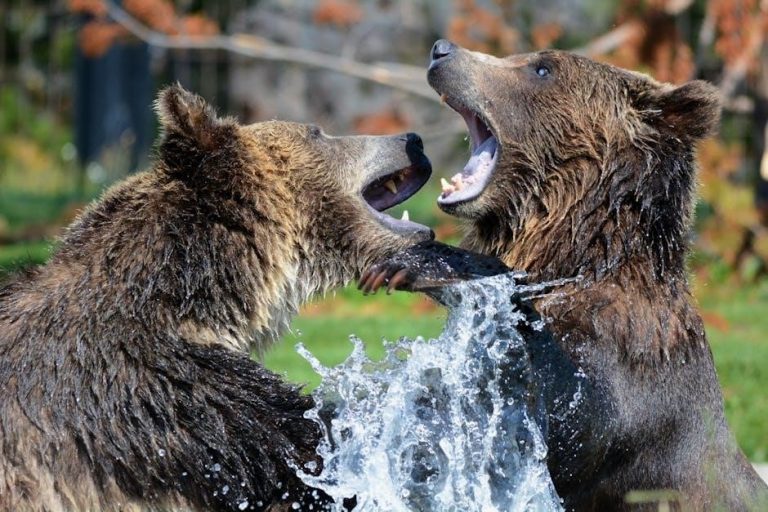
The Three Bears: Father, Mother, and Baby
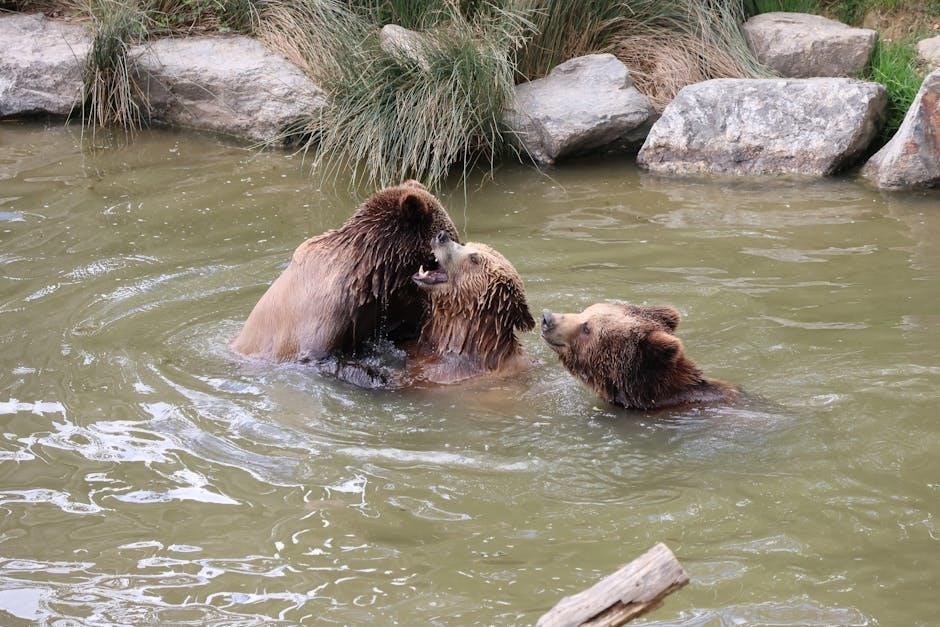
The enduring narrative of “Goldilocks and the Three Bears” is fundamentally built around its titular ursine family: the great big father bear, the middle-sized mother bear, and the tiny baby bear. This specific configuration, with its clear familial roles and distinct sizes, is a cornerstone of the popular 19th-century British fairy tale. Historically, earlier versions, prior to the widespread adoption of the Goldilocks character, sometimes featured three anthropomorphic bachelor bears inhabiting the forest home. However, the beloved modern rendition firmly establishes the father, mother, and baby dynamic, crucial for the emotional resonance and subsequent events. Each bear possesses items tailored to their individual size—a large chair, a medium chair, and a small chair; large, medium, and small beds; and bowls of porridge similarly proportioned. This carefully crafted family unit provides the perfect backdrop for Goldilocks’ uninvited exploration, highlighting the sanctity of their private space. The contrast between their ordered lives and the disruption caused forms the heart of the tale, making their return and discoveries particularly impactful for audiences reading the classic story. This established family structure has been instrumental in the story’s enduring appeal and its widespread adaptation across various media, including digital formats.
Breakfast Porridge Too Hot for the Bears
The daily routine of the three bears—Father, Mother, and Baby—began with a simple breakfast. One morning, their freshly prepared porridge, typically a comforting start to the day, proved to be excessively hot. The steaming bowls, perfectly sized for each bear, were simply too scalding for immediate consumption. This common domestic predicament provided the crucial plot device that sets the entire narrative in motion. Rather than waiting idly for their meal to cool down inside their cozy forest home, the three bears made a collective decision. They opted to embark on a leisurely walk through the surrounding woods, allowing the porridge to reach an edible temperature. This seemingly innocuous choice to leave their house temporarily unattended is precisely what creates the opportunity for Goldilocks’ subsequent, uninvited entry. It’s a pivotal moment, as the bears’ brief absence, prompted by the too-hot breakfast, directly paves the way for the unfolding events and Goldilocks’ infamous intrusion into their private space. This detail is consistently present in various versions of the tale, including those available as PDFs.
Goldilocks’ Uninvited Entry into the Forest House
While the three bears were out on their morning walk, allowing their hot porridge to cool, a young girl named Goldilocks, known for her curious and somewhat impudent nature, happened upon their charming forest dwelling. Living on the edge of the woods, she frequently explored, and the sight of the quaint, unoccupied house piqued her interest. Approaching the door, she found it either slightly ajar or easily manipulated to open, presenting an irresistible invitation to her inquisitive mind. Driven by an undeniable curiosity and a pronounced lack of respect for private property, she proceeded to enter the dwelling without any form of invitation or permission. This pivotal act of “breaking and entering” fundamentally marks the commencement of her infamous and disruptive encounter with the bears’ meticulously arranged home. Goldilocks, entirely unaware of the owners’ temporary absence, stepped inside, thereby transforming a peaceful, empty house into a scene of domestic intrusion. Her subsequent exploration of a house that wasn’t hers vividly highlights her disregard for established boundaries and sets the stage for the chaotic events that would soon unfold. She ventured deeper into the unknown, drawn by the silent allure of an empty residence, completely oblivious to the profound consequences her uninvited presence would soon unleash upon the returning inhabitants. Her entry was an impulsive decision, born of youthful inquisitiveness, leading her irrevocably deeper into the bears’ personal space.

Goldilocks’ Actions and the Bears’ Discovery
Goldilocks entered the bears’ home, causing disarray and eating Baby Bear’s porridge-oats. The Three Bears returned, discovering the intrusion. They found someone had been there, eaten their breakfast, and left things amiss.
Trying Porridge, Chairs, and Beds

Upon her uninvited entry, Goldilocks encountered the Three Bears’ breakfast. The Three Bears left their “too hot to eat” porridge for a “walk in the forest.” Finding the house empty, Goldilocks sampled the porridge. She tasted each bowl, ultimately “stealing a bowl of porridge-oats” belonging to the Baby Bear, consuming it all. Her curiosity then led her to the chairs, trying each for comfort. “The careless Goldilocks had not put the hard cushion straight when she rose from the chair of the Great Big Bear,” indicating her interaction with the furniture.
Next, Goldilocks proceeded “Upstairs she goes and tries all three” beds. She tested each sleeping spot, seeking the most suitable; These actions—trying the porridge, chairs, and beds—marked her intrusion into the bears’ private home. Her uninvited visit occurred before the bears would “clamber into bed,” highlighting her disregard for their possessions and privacy during her exploration.
Stealing Baby Bear’s Porridge-Oats
Following her unauthorized entry into the forest home, Goldilocks encountered the breakfast porridge left by the three bears. They had departed for a walk, their meal “too hot to eat,” creating an opportune moment for the intruding girl. Among the three bowls, Goldilocks’ focus narrowed to the smallest one. Without hesitation or permission, she consumed the entire contents of this particular serving. The narrative clearly emphasizes, “She steals a bowl of porridge-oats… Belonging to the Baby Bear.” This singular act constitutes a direct violation of the Baby Bear’s personal property and privacy. It is depicted as a significant transgression within the story, contributing to the unsettling discoveries the bears would later make. This specific act of theft, rather than merely tasting, showcases Goldilocks’ blatant disregard for the inhabitants’ belongings. Her complete consumption of the Baby Bear’s breakfast-oats leaves no doubt as to the extent of her intrusion and her selfish actions. The consequences of this particular “crime” are central to the unfolding drama, setting a precedent for her further destructive behaviors within the house. This deliberate consumption of a specific portion underscores the “impudent and bad” nature attributed to the character in various renditions of the classic tale.
The Bears’ Return and Unsettling Discoveries
Upon their return from a forest walk, necessitated by their “too hot” breakfast porridge, the three bears immediately sensed an unwelcome intrusion within their dwelling. Their initial, disturbing discovery centered on the dining area. Father Bear noticed his hard cushion was not straight, clearly disturbed by “the careless Goldilocks.” The most alarming finding came from Baby Bear, whose plaintive lament confirmed that “some one had entered their house, and indeed completely eaten up the Little Wee Bears breakfast.” This act of consuming his porridge-oats signified an unwelcome visitor. Moving through their home, the bears continued to uncover tangible evidence of the intruder’s presence. Each bear found their respective chair had been sat in, and upstairs, their beds were also unmistakably disturbed. The narrative emphasizes “crime on crime,” vividly describing the violations Goldilocks committed. These unsettling discoveries, from the displaced cushion to the missing porridge and disarranged furniture, painted a clear picture of a stranger’s brazen actions within their private dwelling. The bears’ return thus transforms into a scene of growing alarm and realization of their violated home.

Modern Adaptations and Educational Applications
Modern adaptations include a 1997 American Sign Language version. British Council LearnEnglish Kids offers a read-along story. Mara Alperin’s read-aloud provides an engaging educational application, making this classic tale accessible to all.
American Sign Language Adaptation (1997)
On February 1, 1997, an original American Sign Language (ASL) adaptation of “Goldilocks and the Three Bears” was unveiled; This interpretation masterfully incorporates ASL’s powerful communicative capabilities. It features expressive facial expressions, crucial for conveying characters’ emotions and subtle nuances of the story. These expressions vividly portray the bears’ reactions to Goldilocks’ intrusion and her adventurous spirit. Precise body movements are integral, illustrating Goldilocks’ actions as she tries the porridge, chairs, and beds. Such movements also depict the bears’ return home and their unsettling discoveries, adding a dynamic visual layer. The signed language itself forms the complete narrative, articulating every detail of the classic fairy tale without relying on spoken words. This innovative adaptation ensures the beloved story is fully accessible, offering an immersive and culturally rich experience for Deaf audiences worldwide.
British Council LearnEnglish Kids Story
The British Council LearnEnglish Kids platform offers a highly engaging and educational version of “Goldilocks and the Three Bears,” specifically designed to support young learners in their English language acquisition journey. This resource is a fantastic tool for children to immerse themselves in a classic fairy tale while simultaneously improving their reading and listening comprehension skills. The platform provides an interactive experience where kids can watch the animated story unfold. Crucially, it includes the text of the story displayed on the screen, allowing children to read along as the narrative progresses. This synchronized presentation of audio and visual text is immensely beneficial for vocabulary building and understanding sentence structure in context. It helps reinforce word recognition and pronunciation, making the learning process both effective and enjoyable. The British Council’s adaptation encourages active participation, transforming passive listening into an interactive educational activity. Such resources are vital for fostering early literacy and developing a strong foundation in English, making this beloved tale a powerful learning aid for countless children worldwide.
Mara Alperin Read-Aloud Version
The Mara Alperin read-aloud version of “Goldilocks and the Three Bears,” often presented by narrators such as Miss Ellis for “storyoftheweek” or similar traditional tale programs, offers a captivating auditory experience for children. This format beautifully brings the classic story to life through expressive narration, allowing young listeners to fully immerse themselves in Goldilocks’ adventures. It encourages them to follow along as the curious girl explores a house that isn’t hers, highlighting the narrative’s core themes of uninvited entry and disrespect for other people’s belongings. The read-aloud expertly conveys the tension and discovery, from Goldilocks trying the porridge, chairs, and beds, to the dramatic return of the three bears. Such versions are invaluable for fostering a love of storytelling, developing listening skills, and introducing children to the moral implications within the tale. They serve as an accessible and engaging way to share this enduring classic, making it a popular choice for bedtime stories and educational read-aloud sessions.

PDF and Digital Accessibility
For those seeking engaging digital renditions of “Goldilocks and the Three Bears,” flip PDFs offer an interactive and accessible format. The VPSI Library is a prominent source where enthusiasts can discover various flip PDFs of this beloved fairy tale. These digital publications allow users to experience the narrative with page-turning effects, mimicking a physical book, which enhances the reading experience for children and adults alike. It’s an excellent way to browse different interpretations and artistic styles of the classic story without needing a physical copy. Users are encouraged to check the extensive collection available, providing a convenient method to find their preferred version. Furthermore, platforms like PubHTML5 play a crucial role in the creation and distribution of such flip PDFs. Individuals or publishers can upload their standard PDF files to PubHTML5 and effortlessly transform them into dynamic, shareable flipbooks. This process makes it incredibly easy to create and disseminate new or existing versions of “Goldilocks and the Three Bears” in an appealing digital format. PubHTML5 not only facilitates the conversion but also enables sharing and downloading, expanding the reach of these digital stories. This accessibility ensures the enduring popularity of the tale in modern digital environments, offering a rich browsing experience for everyone interested in this timeless narrative.
Free Download of James Marshall’s Version
For enthusiasts of classic children’s literature, the distinctive rendition of “Goldilocks and the Three Bears” by James Marshall stands out as a cherished adaptation. Known for its engaging illustrations and witty narrative style, Marshall’s version offers a unique perspective on the timeless tale. Fortunately, this particular interpretation is readily available for free download, providing an excellent resource for parents, educators, and young readers alike. Readers can easily access this celebrated edition in various convenient digital formats. Specifically, it can be obtained as a PDF file (.pdf), which is ideal for printing, offline reading, and maintaining the original layout and artistic integrity of Marshall’s work. Additionally, a text file (.txt) option is often provided, offering flexibility for those who prefer a simpler, text-only format for easy readability on different devices. The availability of James Marshall’s “Goldilocks and the Three Bears” as a free download makes it incredibly accessible, ensuring that this charming and memorable version can be enjoyed by a wider audience without any cost barriers. This digital availability greatly enhances its reach, allowing more children to discover the humor and lessons within this classic story.
Full Story 4K and Online Reading Options
In the digital age, accessing “Goldilocks and the Three Bears” has become incredibly convenient, offering a wealth of immersive options for children and families. Among these, the availability of the full story in stunning 4K resolution stands out, providing an exceptional visual experience. A “Full Story 4K” presentation typically refers to high-definition video adaptations, where the classic narrative unfolds with vibrant animations, detailed illustrations, and crystal-clear audio, making it one of the most popular fairy tales for kids in English truly come alive on screens. This enhanced visual quality captivates young audiences, drawing them deeper into the forest home of the three bears and Goldilocks’ adventures.
Beyond high-resolution video, numerous online reading options ensure the story’s widespread accessibility. Websites like the British Council LearnEnglish Kids Story provide interactive platforms where children can read along with the text, enhancing literacy skills. Many digital libraries and educational portals also host the complete story, often with engaging read-aloud features or simple text for independent reading. These online resources are invaluable for bedtime stories, classroom activities, and anytime children wish to explore the tale. The ease of online access means that this cherished fairy tale is always just a few clicks away, ready to be enjoyed.