
Boat trailer guides facilitate effortless and secure loading, centering the boat during retrieval, and preventing damage—crucial for both novice and experienced boaters․
What are Boat Trailer Guides?
Boat trailer guides are essential components mounted on a trailer, strategically positioned to assist in the smooth and controlled loading and unloading of a boat․ These guides, often constructed from materials like rollers, carpet, or PVC, act as directional aids, channeling the boat’s hull along the trailer’s centerline․
Their primary function is to eliminate guesswork during the launch and retrieval process, particularly beneficial in challenging conditions like low visibility or strong currents․ They minimize the risk of scraping or damaging the boat’s hull against the trailer frame, ensuring a safe and efficient operation․ Properly installed guides contribute significantly to a stress-free boating experience․
Why are Boat Trailer Guides Important?
Boat trailer guides are critically important for protecting your investment and simplifying the boating process․ Without guides, centering a boat onto the trailer can be difficult, increasing the potential for hull damage during loading and retrieval․ Guides reduce stress on both the boat and the trailer, preventing costly repairs․
They enhance safety by providing a clear path for the boat, especially in less-than-ideal conditions․ Furthermore, guides streamline the launching process, saving time and effort․ Investing in quality guides is a proactive step towards preserving your boat’s condition and enjoying a more convenient boating lifestyle․

Types of Boat Trailer Guides
Various guide types exist, including roller, bunk, carpeted, and PVC pipe options, each offering unique benefits for different boat hulls and trailer setups․
Roller Guides
Roller guides utilize a series of rotating rollers to assist in centering the boat onto the trailer․ These are particularly effective for boats with keels or V-shaped hulls, as the rollers conform to the hull’s shape, providing smooth guidance․ They minimize friction during loading and unloading, reducing stress on both the boat and the trailer․
Typically constructed from durable marine-grade materials like nylon or polyurethane, roller guides offer excellent resistance to corrosion and wear․ Installation often involves U-bolts to secure them to the trailer frame․ While effective, regular inspection is vital to ensure the rollers spin freely and aren’t damaged, as debris can impede their function․ They are a popular choice for many boaters seeking a reliable and relatively low-maintenance solution․
Bunk Guides
Bunk guides employ padded supports, traditionally carpeted wooden bunks, running parallel along the sides of the trailer․ These guides cradle the boat’s hull, distributing weight evenly and providing substantial support during transport․ They are exceptionally well-suited for flat-bottomed boats, like jon boats, where full hull contact is achievable․

Adjustability is a key feature of bunk guides, allowing customization to match the boat’s hull shape for optimal support․ Mounting typically involves brackets secured to the trailer frame, with the bunks attached to these brackets․ Regular maintenance includes checking carpet condition and bunk firmness, as wear can compromise support․ Bunk guides offer a secure and stable loading experience, minimizing hull stress․
Carpeted Guides
Carpeted guides are a common and cost-effective solution for boat trailer alignment, often integrated into bunk or roller systems․ The carpeting provides a protective layer, preventing scratches and abrasions to the boat’s hull during loading and transport․ This cushioning effect is particularly beneficial for gelcoat finishes․
These guides typically consist of a wooden or metal frame covered in marine-grade carpet, securely attached to the trailer․ While relatively inexpensive, carpeted guides require periodic inspection and replacement as the carpet wears down, losing its protective qualities and grip․ Maintaining a clean, dry carpet surface is crucial to prevent mildew and ensure optimal performance during boat retrieval․
PVC Pipe Guides
PVC pipe guides represent a budget-friendly, DIY option for boat trailer alignment, particularly suited for smaller vessels with simpler hull shapes․ These guides utilize sections of PVC pipe, often slotted or capped, mounted along the sides of the trailer bed․ They offer a degree of hull protection, minimizing direct contact with the trailer frame․
Installation typically involves securing the PVC pipes with U-bolts or clamps to the trailer frame․ While lightweight and easy to work with, PVC can become brittle over time with UV exposure and may not provide the same level of durability or support as other guide materials․ Regular inspection for cracks or damage is essential for safe boat transport․
Installation of Boat Trailer Guides
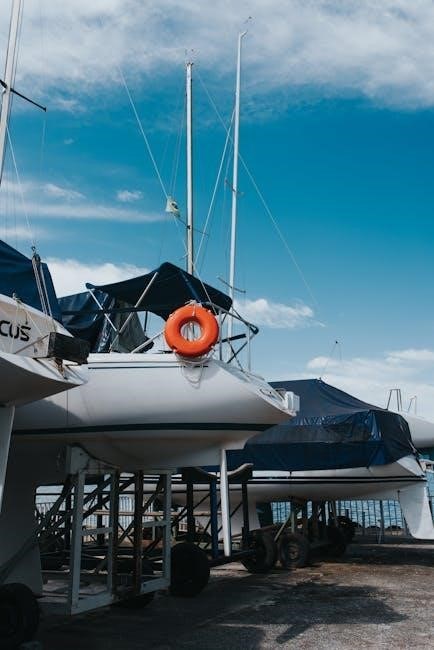
Proper installation demands careful frame preparation, selecting appropriate mounting hardware—like U-bolts—and accurately drilling to firmly secure the guides for optimal performance․
Preparing the Trailer Frame
Thorough preparation of the trailer frame is paramount for secure guide installation․ Begin by inspecting the frame for any existing rust or corrosion; address these issues with wire brushes and rust converters before proceeding․ Identify suitable mounting locations, ideally within the square tubing of the trailer frame for maximum stability․
Ensure these locations are free from obstructions like wiring or other components․ Clean the mounting surfaces meticulously with a degreaser to remove any dirt, grease, or paint that could compromise the hardware’s grip․ Measure carefully to guarantee symmetrical placement of the guides on both sides of the trailer, promoting balanced boat support during loading and retrieval․ Accurate measurements are key to a successful installation․
Mounting Hardware Options (U-Bolts, Bolts)
Selecting appropriate mounting hardware is critical for lasting guide security․ U-bolts are frequently recommended for attaching guides to square tubing, offering a robust clamp․ Drilling holes through the tubing to accommodate the U-bolt threads is often necessary for a tight fit․ Standard bolts, coupled with washers and lock nuts, provide a viable alternative for mounting to flat trailer frame surfaces․
Stainless steel hardware is highly recommended to resist corrosion from prolonged exposure to water and the elements․ Ensure the bolt diameter and length are appropriate for the guide’s mounting bracket and the trailer frame’s thickness․ Always use lock nuts or thread-locking compound to prevent loosening during transport․
Drilling and Securing the Guides
Precise drilling is paramount when attaching boat trailer guides․ Carefully mark the hole locations based on the guide’s bracket and the trailer frame․ Use a drill bit sized appropriately for your chosen mounting hardware – typically matching the bolt diameter․ Deburr the drilled holes to prevent stress points and ensure smooth hardware insertion․
When securing the guides, tighten the U-bolts or bolts gradually in a crisscross pattern․ This ensures even pressure distribution and prevents warping of the bracket or trailer frame․ Double-check all connections for tightness after the initial installation and periodically during use․ Proper torque is essential; avoid over-tightening․

Adjusting Boat Trailer Guides
Fine-tuning guide height and alignment is vital for optimal boat support and centering during loading, ensuring a smooth and damage-free trailering experience․
Adjusting Height for Proper Support
Achieving the correct height for your boat trailer guides is paramount for a successful launch and retrieval․ Guides should gently contact the hull’s sides, providing support without excessive pressure․ Too low, and they’ll hinder the boat’s progress or cause damage; too high, and they become ineffective․
Begin by loosening the mounting hardware, allowing for vertical adjustment․ Slowly lower or raise the guides until they align with the boat’s widest point․ Ensure both sides are adjusted symmetrically for even support․ A slight upward angle can aid in guiding the boat straight onto the trailer․ Regularly re-check the height, especially after adjusting for different boat loads or hull shapes․ Proper height minimizes stress on both the boat and the trailer․
Ensuring Proper Alignment
Precise alignment of boat trailer guides is critical for smooth, damage-free loading․ Misaligned guides can lead to scratches, dents, or even structural issues with your boat․ Start by visually inspecting the guides to confirm they run parallel to the trailer frame and each other․
Use a level to verify vertical alignment․ The guides should contact the hull evenly along its length․ Adjust as needed, tightening the mounting hardware incrementally to maintain the correct position․ Drive the boat onto the trailer slowly, observing how the guides interact with the hull․ If any binding or uneven pressure is felt, re-adjust until a seamless fit is achieved․ Consistent alignment protects your investment․
Maintenance and Care of Boat Trailer Guides
Regular inspection, cleaning, and lubrication of boat trailer guides are essential to prevent wear, ensure smooth operation, and prolong their lifespan․
Regular Inspection for Wear and Tear
Consistent visual checks are paramount for maintaining functional boat trailer guides․ Prioritize inspecting rollers for cracks, flat spots, or bearing play; these indicate impending failure․ Bunk guides require scrutiny for carpet detachment, wood rot, or structural compromise․ For carpeted guides, examine the carpet’s adhesion and condition, replacing if worn․ PVC pipe guides should be checked for splits, cracks, or deformation․
U-bolt tightness is critical – ensure they remain secure, preventing guide movement․ Look for corrosion on all hardware․ Early detection of wear prevents costly repairs and potential boat damage during loading and unloading․ A proactive approach safeguards your investment and ensures safe trailering․
Cleaning and Lubrication
Post-launch rinsing is essential for boat trailer guides, removing saltwater, sand, and debris that accelerate wear․ For roller guides, periodic lubrication with marine-grade grease reduces friction and prevents corrosion, extending their lifespan․ Bunk guides benefit from cleaning to remove embedded grit, followed by a protective sealant to prevent wood rot or carpet deterioration․
PVC guides should be washed and inspected for damage․ Regularly lubricate U-bolts and mounting hardware to prevent seizing․ Proper cleaning and lubrication minimize friction, reduce stress on components, and ensure smooth boat loading and unloading․ This simple maintenance extends the life of your guides and enhances safety․
Replacing Worn Guides
Worn boat trailer guides compromise boat security during transport; replacement is crucial for safety․ Inspect rollers for cracks, flat spots, or excessive wear․ Bunk guides exhibiting significant carpet tear or wood rot require immediate attention․ Severely damaged PVC guides should also be replaced․
When replacing, match the original guide type and dimensions for proper fit․ Ensure new mounting hardware is corrosion-resistant․ Tighten all bolts securely․ Replacing guides proactively prevents damage to your boat’s hull and ensures a smooth, reliable loading and unloading experience․ Don’t delay repairs – safety first!
Troubleshooting Common Issues
Misalignment or damage from guides can occur; careful inspection and adjustment are key to resolving these problems and ensuring safe boat transport․
Guides Not Aligning Properly
Improper alignment of boat trailer guides is a frequent issue, often stemming from loose mounting hardware or a trailer frame that has shifted over time․ Begin by thoroughly inspecting all U-bolts or bolts securing the guides, ensuring they are tightened to the manufacturer’s specifications․
If the frame itself appears bent or damaged, professional repair may be necessary․ Carefully examine the guides themselves for any warping or bending, which could necessitate replacement; When adjusting, prioritize centering the guides with the boat’s hull to facilitate a smooth, straight drive-on experience․ Remember to re-check alignment after any adjustments or longer towing distances․
Guides Causing Damage to the Boat
Damage to the boat’s hull from trailer guides usually indicates excessive pressure or abrasive contact․ This often occurs with improperly adjusted guides, particularly those lacking sufficient padding or being misaligned․ Regularly inspect guides for sharp edges, protruding hardware, or worn carpeting․
Ensure guides are positioned to gently cradle the hull, not to forcefully grip it․ Consider adding extra padding, like additional carpeting or protective sleeves, to minimize friction․ If damage persists, verify the guides’ height and alignment are correct for your specific boat’s hull shape․ A smooth drive-on should never result in scratches or dents․

Cost Considerations for Boat Trailer Guides
Guide costs vary widely; basic carpeted guides start around $30, while roller or bunk guides can exceed $150 per side, plus installation fees․
Price Range for Different Types
Carpeted guides represent the most economical option, typically ranging from $20 to $50 per guide, making them ideal for smaller boats or budget-conscious owners; PVC pipe guides, a DIY-friendly choice, cost approximately $10-$30 per guide, primarily covering the material expense;

Roller guides, offering superior support and ease of use, generally fall between $75 and $200 per guide, depending on the roller material and size․ Bunk guides, known for their full-length support, are priced between $100 and $300 per side, reflecting their robust construction and adjustability․ Complete bunk assemblies, including brackets, can reach $250-$500․
Ultimately, the total cost depends on the number of guides needed, the trailer’s size, and whether professional installation is chosen․
DIY vs․ Professional Installation Costs
DIY installation of boat trailer guides can save significantly on labor costs, potentially costing only the price of materials – typically $50 to $200, depending on the guide type and necessary hardware like U-bolts and drill bits․ However, it requires mechanical aptitude, proper tools, and careful attention to alignment․
Professional installation, while more expensive, ensures correct mounting and alignment, minimizing the risk of damage to the boat or trailer․ Labor costs generally range from $100 to $300, bringing the total project cost to $150-$500, inclusive of parts․
Consider your skill level and the complexity of the installation when deciding between DIY and professional options․